

But safety is not only about what we can see.
At Vaughandale, we know that looking after our team also means supporting their mental wellbeing. As we mark Men’s Health Week 2026, from 15th to 21st June, it feels like the right time to keep an important conversation going.
Mental health in construction is not a small issue.
It affects real people, real families and real workplaces.
It is something our industry can no longer afford to brush aside.
Why Mental Health Matters in Construction
Construction can be a brilliant industry to work in. It is practical, rewarding and gives people the chance to build something they can be proud of.
But it can also be tough.
Long hours, early starts, physical work, deadlines, travel, financial pressures and the responsibility of keeping projects moving can all build up.
For many people, it can be hard to admit when things are getting too much.
According to Mates in Mind, construction workers are around 3.7 times more likely to die by suicide than the national average.
Research also shows that 91% of UK construction workers have experienced stress or feeling overwhelmed, while 26% have experienced suicidal thoughts during their careers.
Those figures are difficult to read, but they are important.
They show why mental health needs to be treated with the same seriousness as physical health and safety.
The Signs Are Not Always Obvious
One of the challenges with mental health is that it is not always easy to spot. Someone may still turn up to work, do their job and seem fine on the surface, while quietly struggling underneath.
In a construction environment, signs of stress, anxiety, depression or burnout might include:
- Becoming quieter or more withdrawn than usual
- Seeming more tired, frustrated or irritable
- Finding it harder to concentrate or make decisions
- Losing confidence or motivation
- Taking more time off or becoming less punctual
- Changes in behaviour, mood or attitude
- Taking unnecessary risks or making unusual mistakes
Of course, everyone has bad days. But when changes continue or someone does not seem like themselves, it can be a sign that they need support.
Sometimes, simply asking someone how they are and properly listening to the answer can make a difference.
Vaughandale’s Mental Health First Aiders
At Vaughandale, we are proud to have trained Mental Health First Aiders available to support colleagues across the business.
Our Mental Health First Aiders are:
- Nicola Williams
- Darren Atkins
- Matt Curtis-Cooper
- David Brown


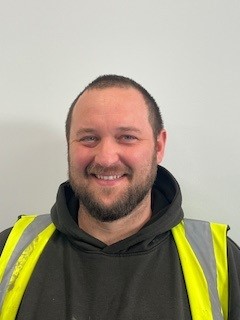
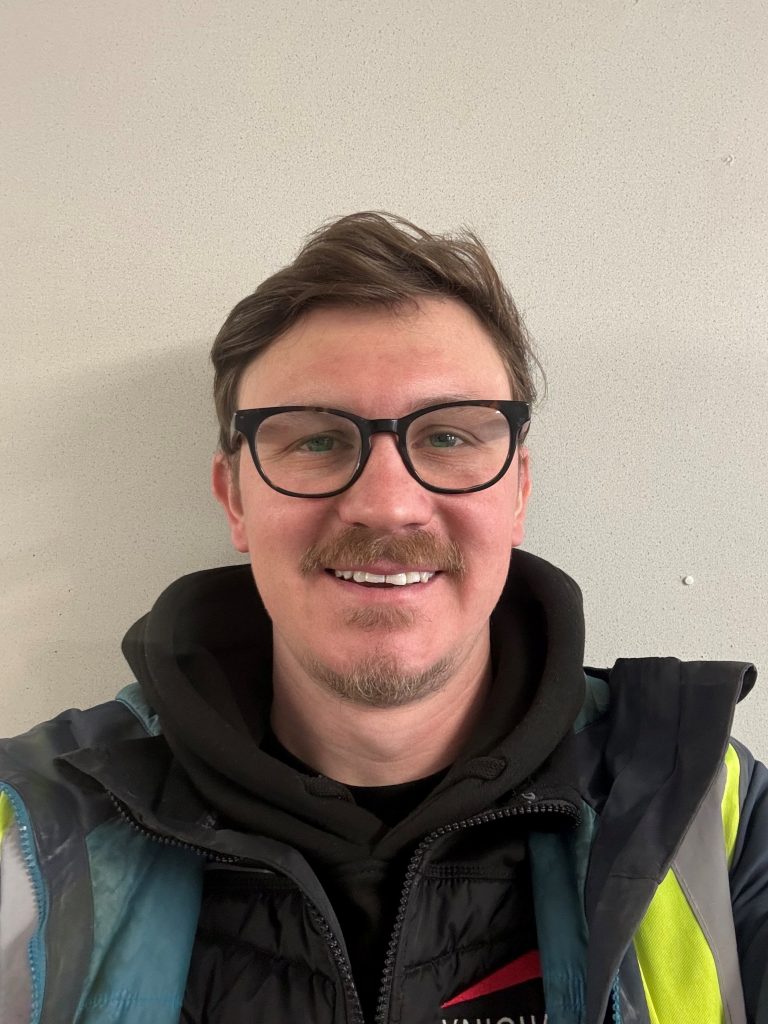
Their role is not to act as counsellors or therapists. Instead, they are there as a first point of contact. They can listen without judgement, offer reassurance, help start difficult conversations and guide colleagues towards professional support where needed.
Nicola Williams, Director and Mental Health First Aider at Vaughandale, said:
“For us, this is about making sure people know they are not on their own. Sometimes someone might not need all the answers straight away. They might just need someone they trust to listen and help them take the first step.”
Having Mental Health First Aiders in place is part of our wider commitment to creating a workplace where people feel valued, supported and able to speak openly.
Creating a Culture Where People Can Talk
For a long time, mental health was not something that was openly discussed in construction. Many people felt they had to just get on with it, keep quiet or deal with things alone.
Thankfully, that is starting to change.
But changing attitudes takes time. It takes people being willing to talk, listen and look out for each other.
Darren Atkins, Mental Health First Aider at Vaughandale, said:
“The more normal we make these conversations, the easier it becomes for someone to speak up before things get worse. We talk about physical safety every day in construction, and mental health should be part of that same conversation.”
That is the kind of culture we want to keep building at Vaughandale. One where checking in on someone is normal.
One where asking for help is not seen as a weakness. One where people know support is available.
Supporting MANUP? During Men’s Health Week
As part of our ongoing focus on wellbeing, we have recently become aware of MANUP?, a UK charity working to change attitudes around men’s mental health.
MANUP? encourages men to speak more openly, challenges stigma and shares real stories from people with lived experience. Their work links closely with the issues facing many male-dominated industries, including construction.
We would encourage anyone who wants to learn more to visit:
Charities like MANUP? play an important role in reminding people that struggling does not make you weak, and that talking can be the start of getting support.
Looking After Each Other
Men’s Health Week is a useful moment to raise awareness, but this is not something that should only be spoken about once a year.
At Vaughandale, our commitment to mental well-being is ongoing.
We will continue to support our team, invest in awareness, and encourage open conversations across the business. Whether someone works in the office, on site, or across multiple projects, we want them to know that their well-being matters.
Mental health can affect anyone. You do not have to be at a crisis point to ask for help. You do not have to deal with things alone.
This Men’s Health Week, we are encouraging everyone to check in with themselves, check in with a colleague, and remember that a simple conversation can go a long way.
Because creating a safer workplace means taking mental health as seriously as physical safety.